Pages

Showing posts with label Grief. Show all posts

Monday, January 13, 2014

Eleven years...


This past Shabbat we had the privilege of hosting our friends from the Bay area on their first Shabbat in Israel after making Aliyah. Like all the other people we met when we spent three years in San Jose, they never knew Liam. To the many people who have entered or passed through my life in the last eleven years, Liam has always been a memory, not a real person. And since none of us are big talkers, and it’s very painful, we don’t say much about Liam so they don’t know much about her.

There are, of course, others, some I’m in touch with more closely, others occasionally or virtually, still others not at all, who knew Liam, played a part in her life. Family, friends (hers and ours), teachers, youth leaders, kids who bullied her or were mean to her, doctors, and nurses and other random people who I may not even be aware of shared pieces of Liam’s life. Some of them probably don’t even know she’s dead. Some of those people, like my parents, Arthur’s mother, my aunt and my cousin, Leah, are also gone and I wonder if they are all together, wherever they are.

I don’t know how often they think of Liam, if at all. Do they bring up memories of her when they get together? Do they have funny stories or feel guilt about the way they sometimes acted? Like me, do they wonder what she would be like today? 

I’m finding it a bit difficult to express myself but I wanted to share two things, written by Yair Lapid, which I find to be very true. The Hebrew is his, the English translation mine. 


החיים אינם נמשכים – יאיר לפיד
 
זה לא נכון שהחיים נמשכים.

תמיד אומרים את המשפט הזה והוא אף פעם לא נכון.
כשמת לך מישהו, החיים שלך, כמו שהכרת אותם, הסתיימו.
המשפחה שלך עדיין שלך, אבל היא אחרת.
ההורים שלך אחרים, הסדר שבו אתם יושבים סביב השולחן, הדרך שבה אתם זוכרים את הטיול ליוון, עם האלבום של התמונות המצחיקות שהפך לאלבום זיכרון.

זה לא נכון שהחיים נמשכים.

אנשים שואלים אותך שאלה פשוטה כמו "מה שלומך?" ואתה יודע שהם מתכוונים לומר "אנחנו יודעים" או "אנחנו כאן בשבילך".
וכל פעם שאתה עצוב כולם קופצים כדי לעודד אותך, ואין לך איך לומר להם שאתה לא רוצה קבוצת תמיכה, אלא להיות שעה בשקט מתחת לשמיכה.

זה לא נכון שהחיים נמשכים.

אפילו אתה לא ממשיך להיות כמו שהיית.
אתה ההוא שמתו לו.
אתה ההוא שרואה בטלוויזיה את "הטוב הרע והמכוער" וזוכר רק עם מי ראית אותו בפעם הראשונה, אז, בקולנוע אסתר הישן שנהרס בינתיים.
אתה ההוא שאם אתה צוחק, אומרים שהתגברת.
אם אתה עסוק, אומרים שהתבגרת.
אם אתה נוסע ליותר משבועיים אומרים שברחת.

זה לא נכון שהחיים נמשכים.

אפילו העבר שלך עובר עריכה, וכל פעם שאתה מספר איך לקחתם אוטובוס לבלומפילד לראות את הדרבי, אתה מתלבט אם לקרוא לו אחי, או אחי המנוח, או אחי זכרונו לברכה.
לפעמים אתה פשוט מוציא אותו מהסיפור, כדי למנוע מכולם מבוכה.
פה ושם פוגשים מישהו שלא היה בארץ הרבה זמן, והוא שואל מה שלומו ואתה אומר לו ששלומו כבר לא איתנו, ובסוף כמובן אתה צריך להרגיע אותו, אז אתה אומר לו שהחיים נמשכים.

זה לא נכון שהחיים נמשכים.
הם נפסקים, ומתחילים מחדש. אחרת.  


Life does not continue – Yair Lapid


It is not true that life continues.

They always say that but it is never true.
When you lose someone, your life, as you know it, is over.
Your family is still yours but it is different.
Your parents are different, the way you sit around the table, the way you remember the trip to Greece, with the photo album of the funny pictures that turned into a memorial album.

It is not true that life continues.

People ask you a simple question like "how are you?" and you know they mean to say "we know" or "we're here for you." And every time you're sad everybody stops by to cheer you up and you don't know how to tell them that you don't need a support group, but just to lie quietly under your blanket for an hour 
.
It is not true that life continues.

Even you are not the same.
You’re the one who someone died on.
You’re the one who watches “The good, the bad, and the ugly” on TV and remembers who you saw it with the first time, in the old Esther Cinema which has since been destroyed.
You're the one that when you laugh they say you got over it.
If you are busy, they say you got over it.
If you go away for more than two weeks, they say you ran away.

It is not true that life continues.

Even your past gets edited, and every time you tell how you took the bus together to Bloomfield to see the derby you debate whether to call him my brother or my late brother or my brother, may he rest in peace. Sometimes you just take him out of the story in order to prevent everyone’s embarrassment.
Every now and then you meet someone who’s been out of the country for a long time and they ask you how he’s feeling and you tell them he's not with us anymore, and in the end, you of course need to comfort them, so you say that life continues.

It is not true that life continues.
It stops and starts over. Differently. 


הבעיה עם המתים, היא שהם לא מנומסים.

הם כל הזמן קופצים לבקר בלי הודעה מוקדמת.

הם יכולים להופיע לך פתאום באמצע סרט, או שמישהו יגיד משהו בארוחת ערב או בעבודה, ופתאום אתה נחנק.

אתה נוסע במכונית, שיר מתחיל ברדיו ויחד איתו מתחילות לרוץ לך תמונות. זה מסוכן לנהוג כשהמת שלך יושב בינך לבין הדרך. עדיף לעצור בצד, לבכות להתרעננות.

אתה הולך ברחוב ואתה רואה מישהו מהגב, מרחוק, ואתה יודע שזה לא יכול להיות, אבל זה נראה ממש כמוהו. אותה צורה של הראש, והליכה כזאת יש רק לבן אדם אחד, שכבר איננו. ובסוף אתה רץ, ואחר כך אתה מתנצל, ואתה לא מצליח להסביר שזה לא אתה שלא מנומס, זה המת שלך, שעוד פעם נכנס.

כי המתים לא מנומסים, הם תמיד באים להרוס שמחות. במיוחד הם אוהבים בר מצוות וחתונות והופעות בקיסריה שהם לא קנו להם כרטיס. והם מסתתרים במגירה של סרטי הוידיאו שלך, בתוך הטיול ליוון שאתה לא מעיז לראות ולא מעיז לזרוק וכבר שלוש שנים אתה מתכנן להעביר אותם לדי.וי.די, אבל הם מתעקשים להשאר בפורמט הישן.

המתים לא זקוקים ליום הזכרון - הם במילא מגיעים מתי שבא להם – אנחנו אלה שצריכים אותו, כדי שפעם אחת בשנה נדע לקבל אותם. שלא נצטרך לחשוב אם זה בסדר או לא בסדר, ואם זה הזמן המתאים להתפרק, ואם מסתכלים עלינו, ושפעם אחת בשנה, הם יבואו עם הזמנה.

(נכתב ל"שרים בכיכר" 2006)
 
The problem with the dead is that they are not polite.

They’re always coming to visit without any advance notice.

They can turn up suddenly in the middle of a movie, or when someone says something at dinner or at work, and all of a sudden, you choke up.

You’re riding in the car, a song starts playing on the radio and along with it, pictures start running in front of you. It’s dangerous to drive when your dead person is sitting between you and your route. It’s better to pull over to the side, to cry to get ahold of yourself.

You walk in the street and you see someone from behind, from far away, and you know that it’s not possible, but it looks just like him. The same shape of head, and that way of walking that only one person, who is no longer here, has. And in the end you run, and then you apologize, and you aren’t able to explain that it’s not you who is impolite; it’s your dead person that arrived again.

Because the dead are not polite, they always come to ruin happy occasions. They especially like bar mitzvahs and weddings and performances at Caesariya that they didn’t buy a ticket for. And they hide in the drawer of your video films, in the trip to Greece that you can’t bear to watch and can’t bear to throw out and for three years already you’ve meant to transfer it to DVD but they insist on staying in the old format.

The dead don’t need a memorial day – they arrive whenever they want anyway – we need it, so that once a year we can receive them. So we don’t need to think if it’s okay or not okay, and if this is an appropriate time to fall apart, and if people are looking at us, and so at least, once a year, they’ll come with an invitation.


(Written for singing in the square, 2006)


Wednesday, October 9, 2013

Mourning in the shadows

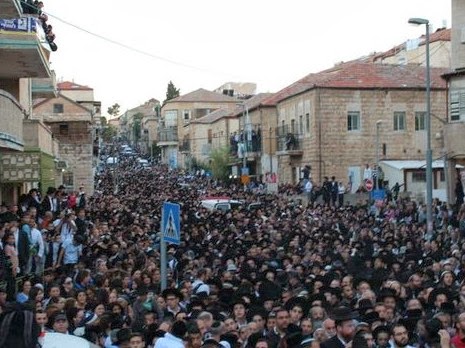
As you've probably heard, Rav Ovadia Yosef died yesterday.

Israeli news sites reported that over 800,000 people turned out to pay their last respects to the 93 year old Torah scholar and leader of Sephardi Jewry. 
צילום: משה מזרחי, חדשות 24
Everyone from public figures, senior politicians, and leading Rabbis have been offering sound bites praising Rav Ovadia, and many "regular" people have been posting their "the time I met Rav Ovadia" story on Facebook. 

The news coverage, in every possible medium, has been non-stop.

And I have nothing to add to the public discourse about Rav Ovadia. 

I want to talk about someone else. 

I don't know his name and neither do you.

I've never met him.

I've never met his family and I probably never will.

He died yesterday. Or maybe the day before, maybe today.

But he wasn't famous. He wasn't a scholar, or the founder of a political party. 

He was a regular person, like you and me. Not perfect. Human. 


Maybe he lived a long life and was blessed with children, grandchildren, and even great-grandchildren like Rav Ovadia.

Maybe he was in the prime of his life with a wife and children, a job, a mortgage. 

Maybe he died young, in his twenties or teens.

Maybe even a child or infant.

There's a lot I don't know about him. But I know this - he has a family. 

And as difficult as it is to lose someone you love, when their death is overshadowed by the death of a famous person, it is that much more difficult. 

It feels like the entire world is caught up in mourning this public figure, and your world has just ended. Your son/husband/father wasn't famous but to you he was EVERYTHING. Your personal tragedy is so enormous and overwhelming. And everyone is talking about this public figure who died. And you just don't care.

I know, it sounds petty. Unless you've been there, unless you've experienced it, unless you've felt it. Then you get to add anger, resentment, and guilt to all the other feelings you're experiencing. And you can't tell anyone how you feel because you think they'll judge you.

But there is no right or wrong when it comes to feelings.  The way you feel is the way you feel. And the good thing about feelings is that they eventually pass. 

And though each year, when the anniversary rolls around, you have to deal with the public frenzy again, it gets easier.  


Wednesday, January 23, 2013

10 years

Ten years is a lifetime.

In 10 years, 13 year olds finish middle school and start high school.


They learn how to drive and get their license.

They graduate.

They go the army or sherut leumi.

They travel around the world before starting university.

They go to university.

They graduate. 

They fall in love, possibly more than once.

Maybe their hearts get broken.

They meet "the one."

They get married.

They start a family.

Their life moves forward...

Ten years is the blink of an eye.

It is seconds and minutes and hours of yearning.

It is hoping, always, that one morning, you will wake up and discover it's just a bad dream.

It is looking at a group of teenagers, then young adults, and expecting to see her there. 

It is always a shock that she is not. 

It is countless meals and holidays and family gatherings that always she is missing.

It is wondering all the time what she would look like now, what she would be doing, where life would have taken her. 

It is an emptiness that never goes away.

It is life, it is reality, it is something you never get used to.

Never. 


Sunday, February 8, 2009

10 things not to say to a bereaved parent

When your child dies, people are often at a loss of what to say. I know that people don't mean to be cruel or thoughtless but many times, their comments just add to your pain. Remarkably, there is no statute of limitations on 'stupid' comments and 6 years later, we still hear them, although not as frequently. So to help the well meaning, here are 10 things not to say to a bereaved parent:
  1. "He's with God now/he's in a better place." Maybe. But we want our children here with us. Call us selfish.
  2. "You're young - you can have more kids." Well, maybe yes maybe no. But one child does not replace another. We want the child we just lost, not a different one.
  3. "I know how you feel." (often followed by "I lost my mother/uncle/dog") Unless you lost a child you don't know how we feel. Losing a parent (or pet) is NOT like losing a child.
  4. "I wanted to come by/call but it was too hard." I'm sure it was. But it was hard for us too.
  5. "It will get better with time." Not really. As time goes by you realize more and more that death is forever and you will NEVER see/hug/kiss/talk to your child again. That doesn't make it better.
  6. "Aren't you over it yet?" You NEVER get over the loss of your child. NEVER. Full stop.
  7. "This must be so hard for your wife." Men are often shafted in the grief department. Guess what? Men love their children too. I've seen fathers fall to pieces while their wives "seemed" to be handling it.
  8. "You're so strong/I could never go through what you're going through." Well, nobody gave us a choice and there aren't any other options.
  9. "At least you have other kids." See #2. One child is not a substitute for another. We are thankful for the children we still have but it doesn't diminish the loss.
  10. "God doesn't give you more than you can handle." First of all, this is not necessarily true. Many people collapse under the weight of a tragedy. Secondly, we are not more special than anyone else, didn't sign up for this, didn't ask for it.
So what should you do? Listen. Mention our children by name. Just because they're gone doesn't mean we don't think about them or want to talk about them. Understand that grief is a lifelong journey with ups and downs - today we might be fine; tomorrow getting out of bed is a chore. There is no rhyme or reason to this. Understand when something is too hard for us. It's not that we're not happy that your child is celebrating, it just reminds us that our child never will. Call. But don't be angry if we can't answer the phone and talk.
And if you do say something that might be insensitive (we all do it, including bereaved parents themselves), apologize. It goes a long way.